 Readspresso

Partly. You can always read faster, but usually at the cost of comprehension. In 2016 five reading researchers led by Keith Rayner reviewed decades of studies and concluded that readers are unlikely to double or triple their speed, say from 250 to 500–750 words per minute, while understanding the text as well as they do at normal speed (Rayner et al., 2016).
That doesn't make training useless. It means you should know what to expect from it.
Speed and comprehension are one dial
Rayner and his co-authors describe a trade-off between speed and accuracy. Go faster and you keep less. When you don't need full comprehension, because you only want to check whether a report covers what you're looking for, speed reading or skimming gets you through it with moderate understanding. With a contract, a textbook, or anything you'll be examined on, the same technique costs you more than it saves.
Courses have promised more since 1959, when Evelyn Wood launched her Reading Dynamics programme. Today the promise is back in phone apps.
The trouble with one word at a time
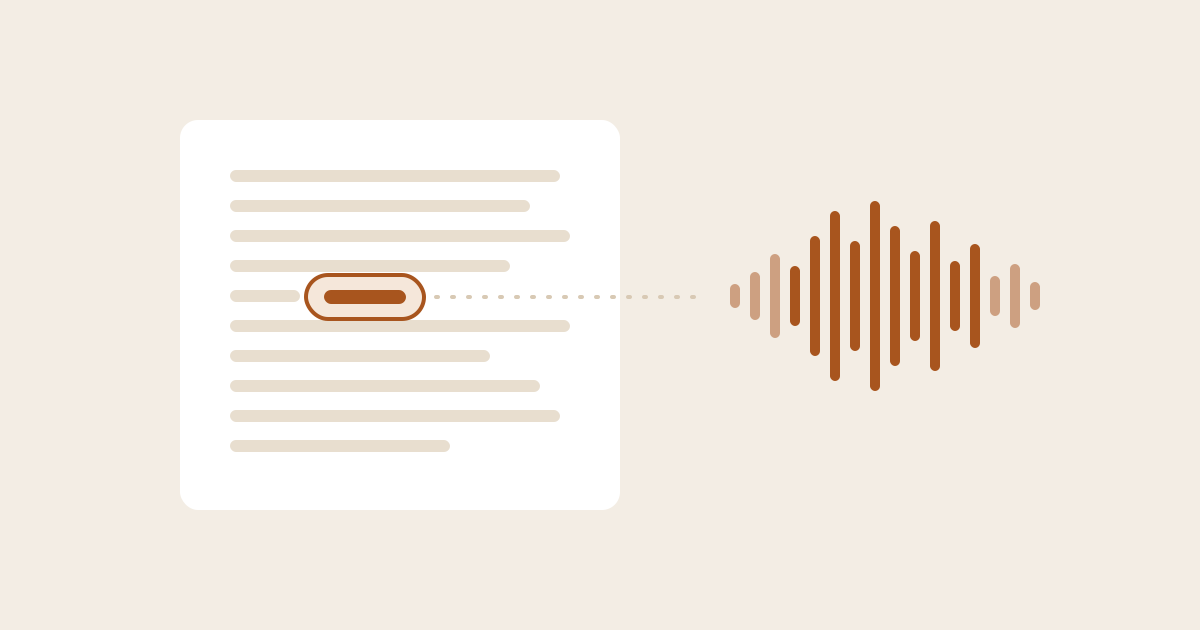
Some apps flash text one word at a time in the same spot on the screen. The technique is called RSVP. Your eyes don't have to move, so the pace can be set as high as you like.
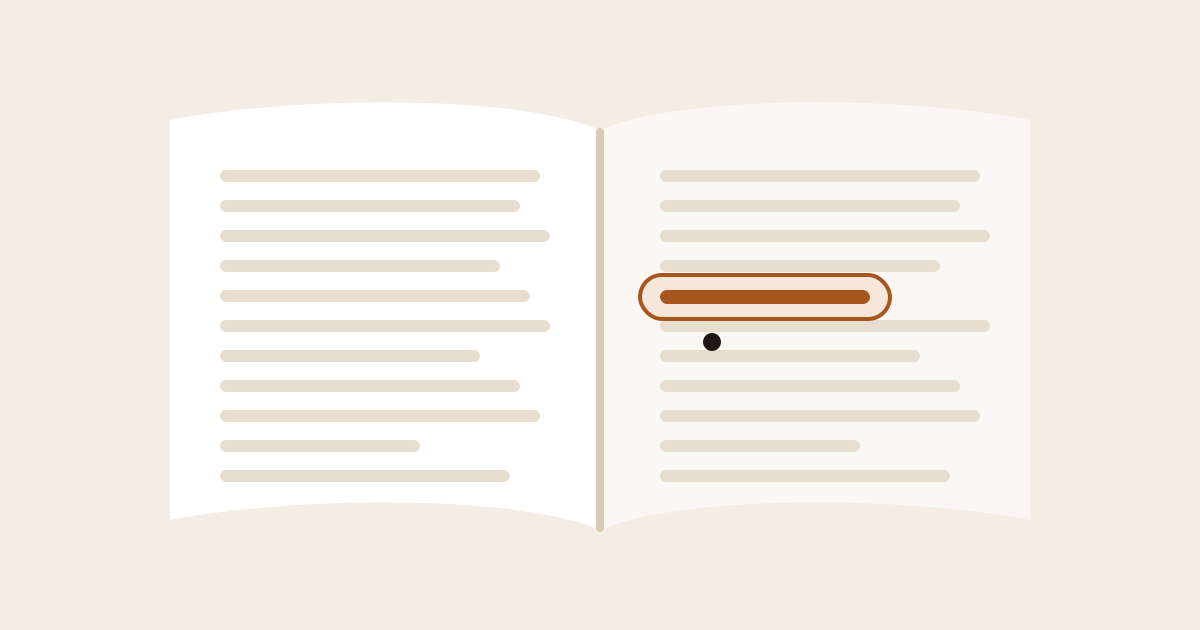
Elizabeth Schotter, Randy Tran and Keith Rayner tested what happens when readers can't look back at a word they have already passed. In their experiment each word was masked once the reader's eyes moved past it, much as in RSVP. Comprehension fell, and not only for ambiguous sentences (Schotter, Tran & Rayner, 2014). The authors conclude that looking back is a natural part of reading and helps you understand what you read.
That is why the RSVP reader in Readspresso has "⟲ sentence" and "⟲ 10 words" buttons. There is also a pacer mode, where you see the whole text and the app only guides your eyes.
What actually makes you faster
According to Rayner's review, the reliable way to read faster and keep understanding is to read a lot and become a more skilled language user, for example by building your vocabulary. Language skill is at the heart of reading speed. A word you know, you recognise at once. An unfamiliar one stops you.
Three practical points follow:
- Read regularly. What counts is how much text you get through, and a short daily session is easier to keep up than one long weekend sitting.
- Measure speed together with comprehension. A words-per-minute score on its own tells you nothing. After each measurement, answer a few questions about the text.
- Match the pace to the goal. Speed up when skimming. Slow down for material you need to remember.
How Readspresso handles it
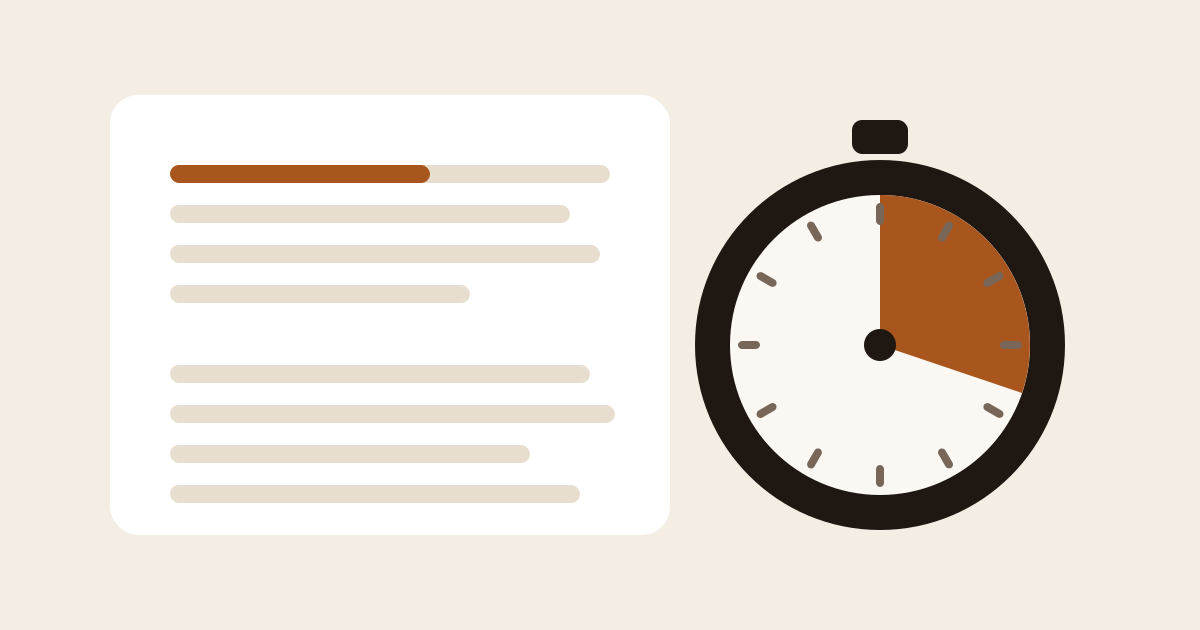
The app starts with a measurement: you read a short text, answer questions about it, and get your pace together with a comprehension score. The daily workout combines eye drills with reading, and the comprehension exercises end with questions about the text. If your pace goes up while your answers get worse, you are pushing too hard.
For a benchmark to compare yourself with, see What is the average reading speed for adults?